Materials
Sheesham vs Teak: Which Wood Is Right for You?
Two of India’s most loved hardwoods, compared honestly — grain, durability, climate, price and how each one ages in a real home.
In this article
Walk into any furniture workshop in Rajasthan or Kerala and you will hear the same debate: sheesham or teak? Both are dense, beautiful and long-lasting, and both have been used in Indian homes for centuries. The right choice depends on where the piece will live, how you want it to age and, of course, your budget.
Sheesham: the character wood
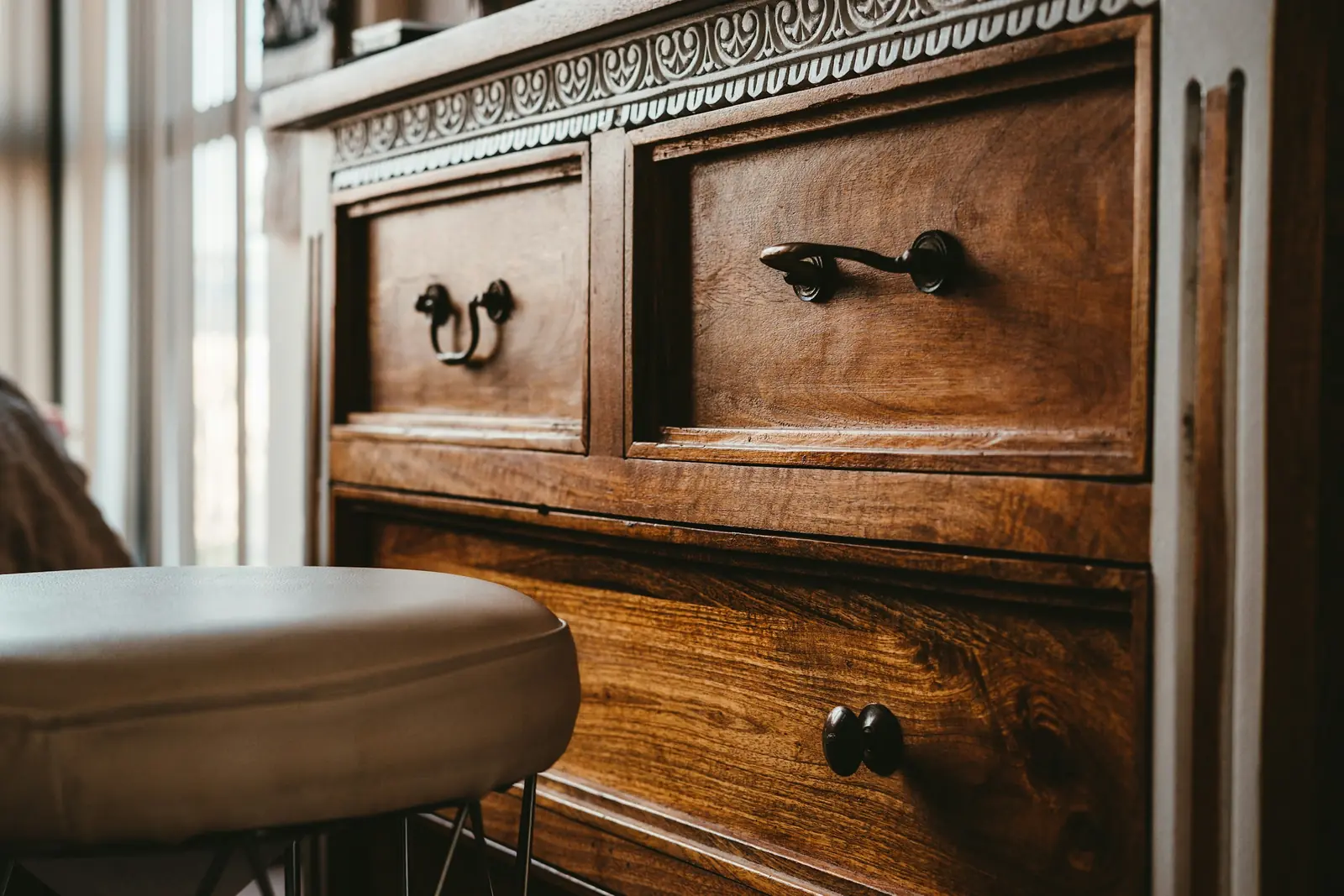
Sheesham, also called Indian rosewood, grows across the north of the country. Its heartwood ranges from golden brown to deep chocolate, often streaked with darker lines that give every board a distinct personality. It is very hard and dense, which makes it excellent for tables, beds and chests that take daily knocks.
- Strength: very high — resists dents and scratches well
- Look: bold, swirling grain with natural colour variation
- Best for: dining tables, beds, chests of drawers, coffee tables
- Care: oil once or twice a year; keep out of direct, harsh sun
Because sheesham is so dense, it must be kiln-dried properly before it is made into furniture. Poorly seasoned wood can crack or warp when seasons change. At our workshop every board is dried to below 12% moisture and rested for weeks before cutting.
Teak: the weather-proof classic
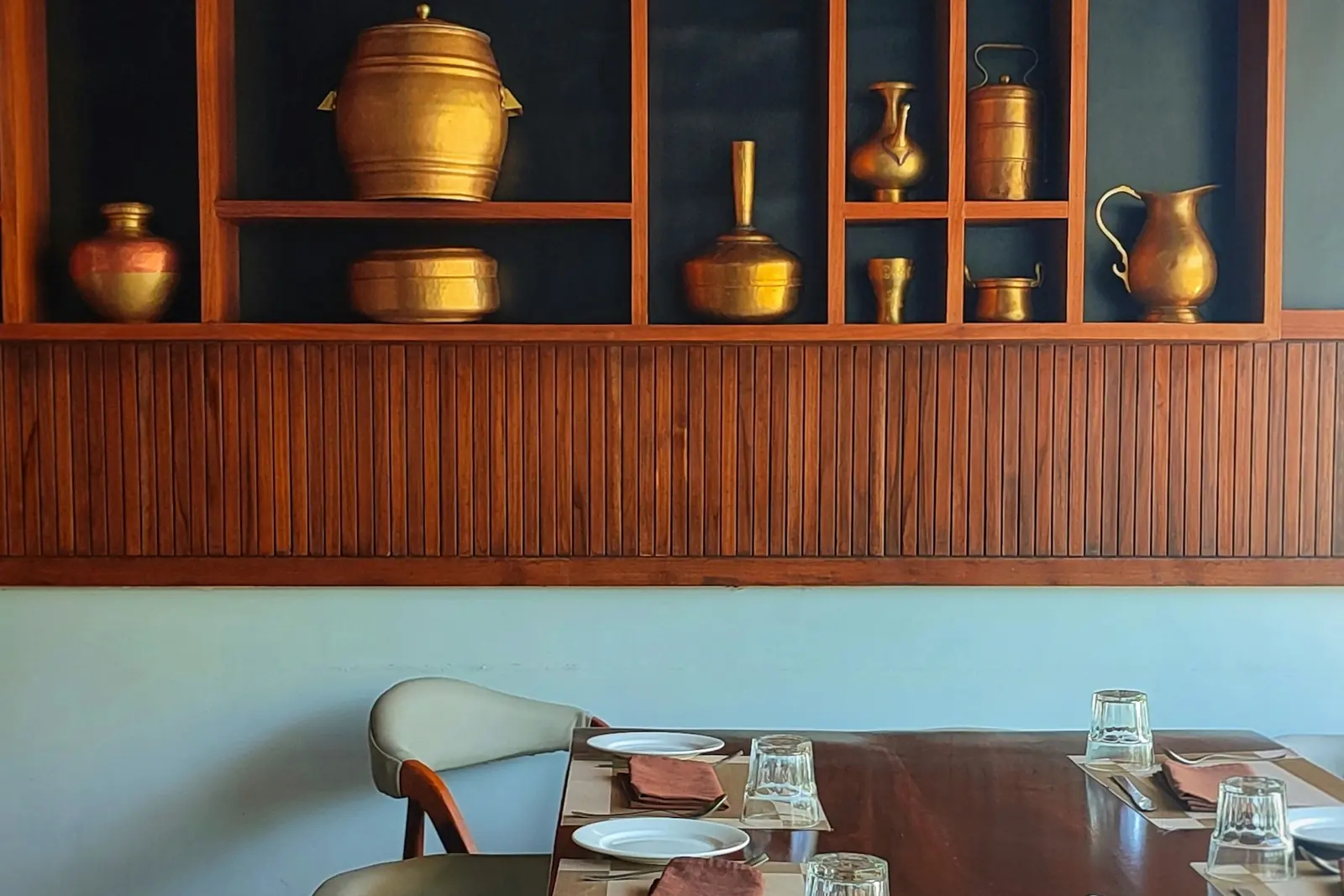
Teak is famous for its natural oils and silica content, which make it highly resistant to water, rot and insects. That is why it has been used for shipbuilding, temple doors and verandas for generations. Plantation teak from responsibly managed forests offers the same qualities with a much smaller environmental footprint than old-growth timber.
- Strength: high, with excellent dimensional stability
- Look: straight, even grain in honey to golden brown
- Best for: outdoor furniture, bathrooms, coastal homes, heirloom pieces
- Care: indoors, an occasional wipe; outdoors, oil yearly or let it silver naturally
“Teak forgives the monsoon. Sheesham rewards a well-ventilated room with a richer colour every year.”
Side by side
Durability
Both woods will outlive their owners if they are well made. Sheesham is slightly harder, so it resists surface dents better; teak is more stable and better suited to moisture and temperature swings.
Climate
In Mumbai, Chennai, Kochi or Goa, teak is the safer choice for anything near a window, a bathroom or outdoors. In drier cities such as Delhi, Jaipur or Bengaluru, sheesham performs beautifully indoors.
Price
Good plantation teak typically costs 30 to 60% more than sheesham of the same quality. For large indoor pieces such as wardrobes or dining tables, sheesham offers outstanding value.
Ageing
Sheesham deepens and darkens over time. Teak mellows to a warmer gold indoors and to a silvery grey outdoors if left untreated. Neither is better — it is simply a question of the look you love.
How to spot quality solid wood
Whichever timber you choose, a few checks will tell you whether a piece is genuinely well made. Look at the end grain on table tops and drawer fronts: solid wood shows continuous growth rings, while veneered board shows a thin top layer over a uniform core. Pull out a drawer and look at the corners — dovetail or finger joints are a sign of care, staples and glue alone are not. Lift one end of the piece; solid sheesham and teak feel reassuringly heavy. Finally, ask about moisture content. A reputable maker will happily tell you how the wood was dried and how long it rested before it was cut.
It is also worth asking where the timber comes from. Responsibly sourced sheesham from managed farmland and certified plantation teak cost a little more, but they protect natural forests and usually come with better documentation of quality.
Our verdict
Choose sheesham for indoor pieces where you want character, strength and value: beds, dining tables, coffee tables and storage. Choose teak for outdoor furniture, humid rooms and statement pieces that you want to pass down. Many of our clients mix the two — a sheesham dining table with a teak sideboard looks wonderfully layered.
Whatever you choose, insist on solid wood that has been properly kiln-dried, joined with traditional joinery and finished with a breathable oil. Those three things matter more than the species itself.