Care
How to Care for Solid Wood Furniture
Simple daily habits, seasonal care and quick fixes for rings, scratches and dryness — so your solid wood lasts for generations.
In this article
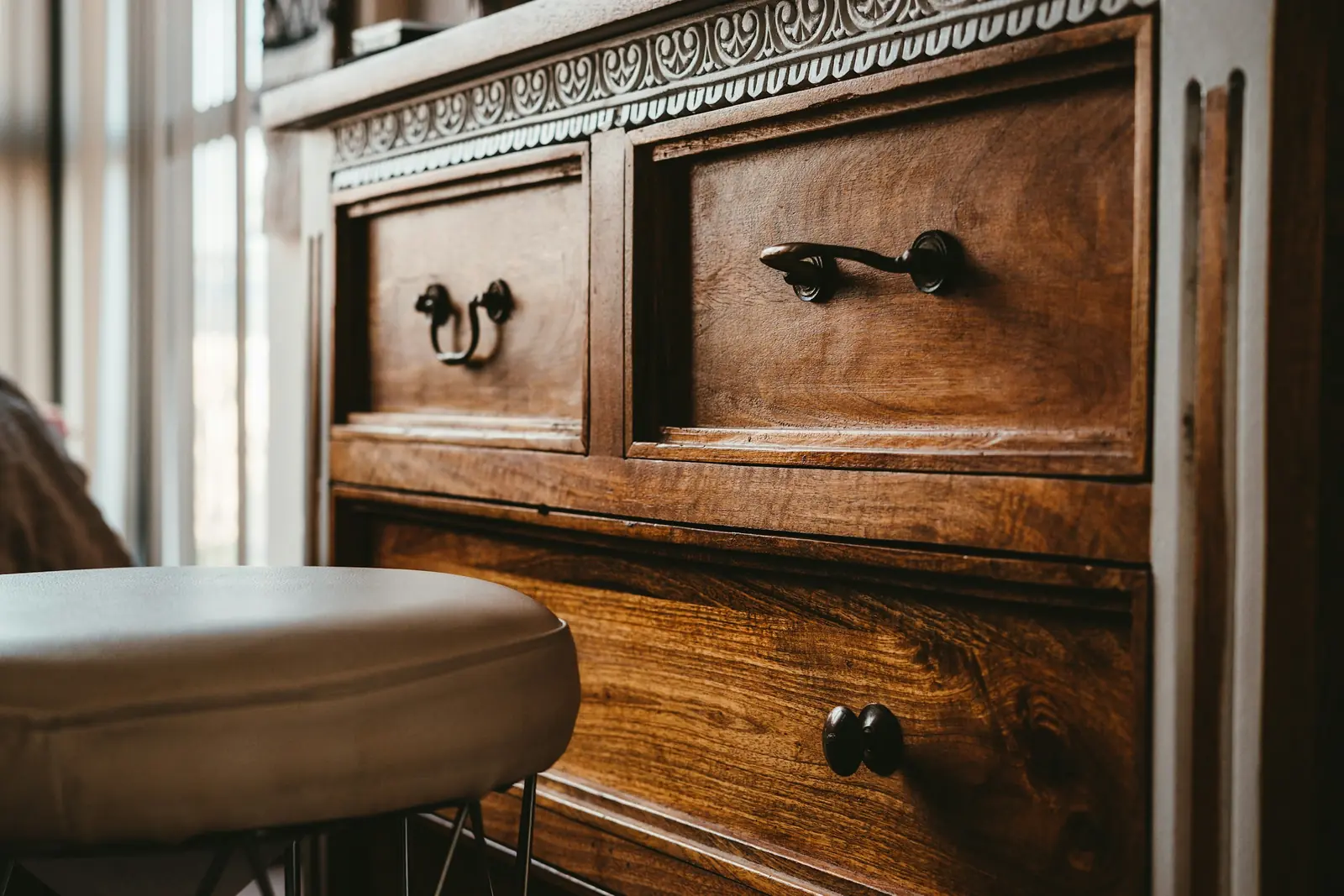
Solid wood is alive in a way that engineered board is not. It breathes, moves slightly with the seasons and develops a richer colour over the years. With a little care it will last for generations; with neglect it can dry out, crack or stain. The good news is that looking after it takes only a few minutes a week.
Everyday habits
- Dust with a soft, dry microfibre cloth once or twice a week
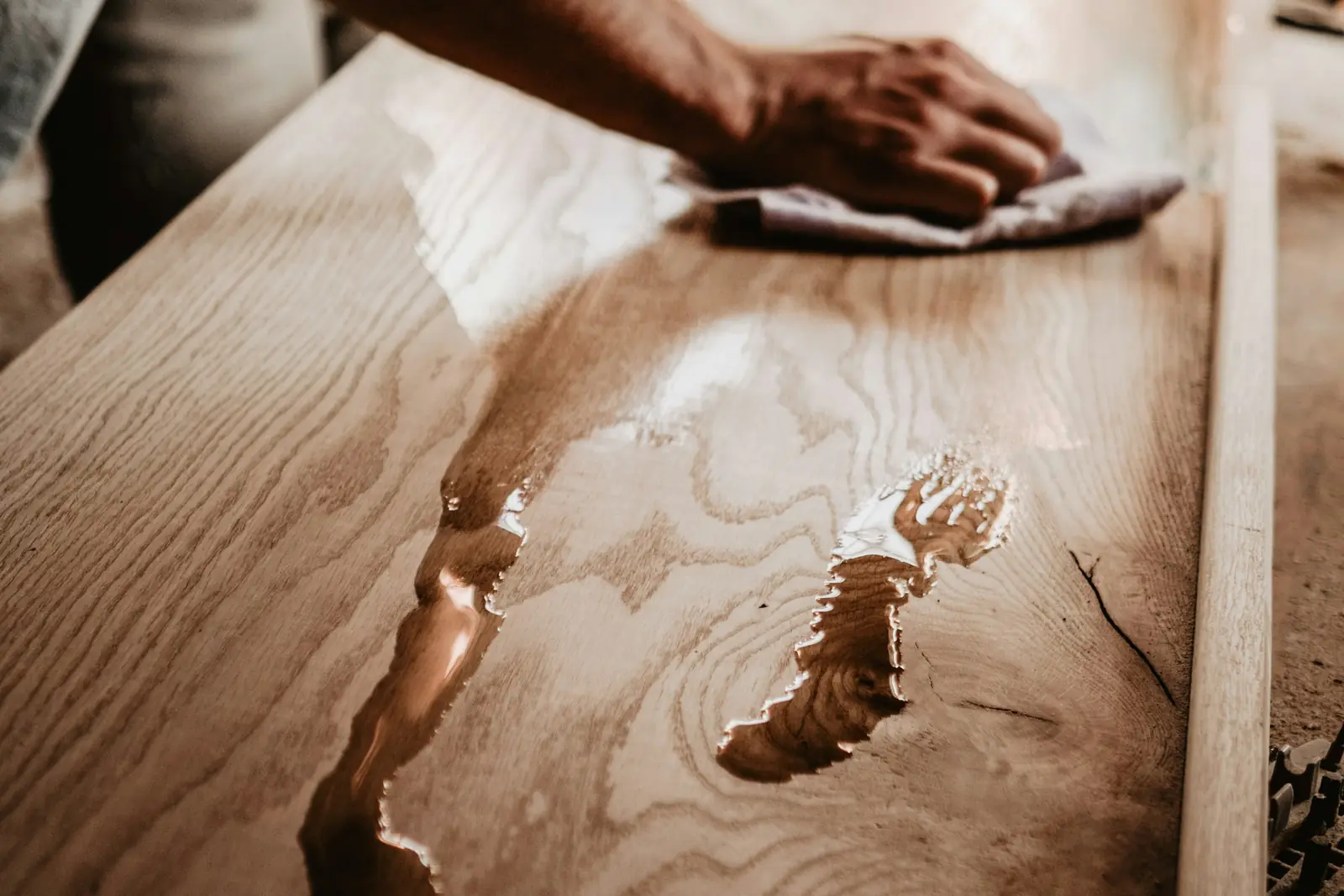
- Wipe spills immediately — never let water stand on the surface
- Use coasters, trivets and placemats for glasses and hot dishes
- Lift objects rather than dragging them across the surface
- Keep furniture away from radiators, heaters and AC vents
Protect it from sun and humidity
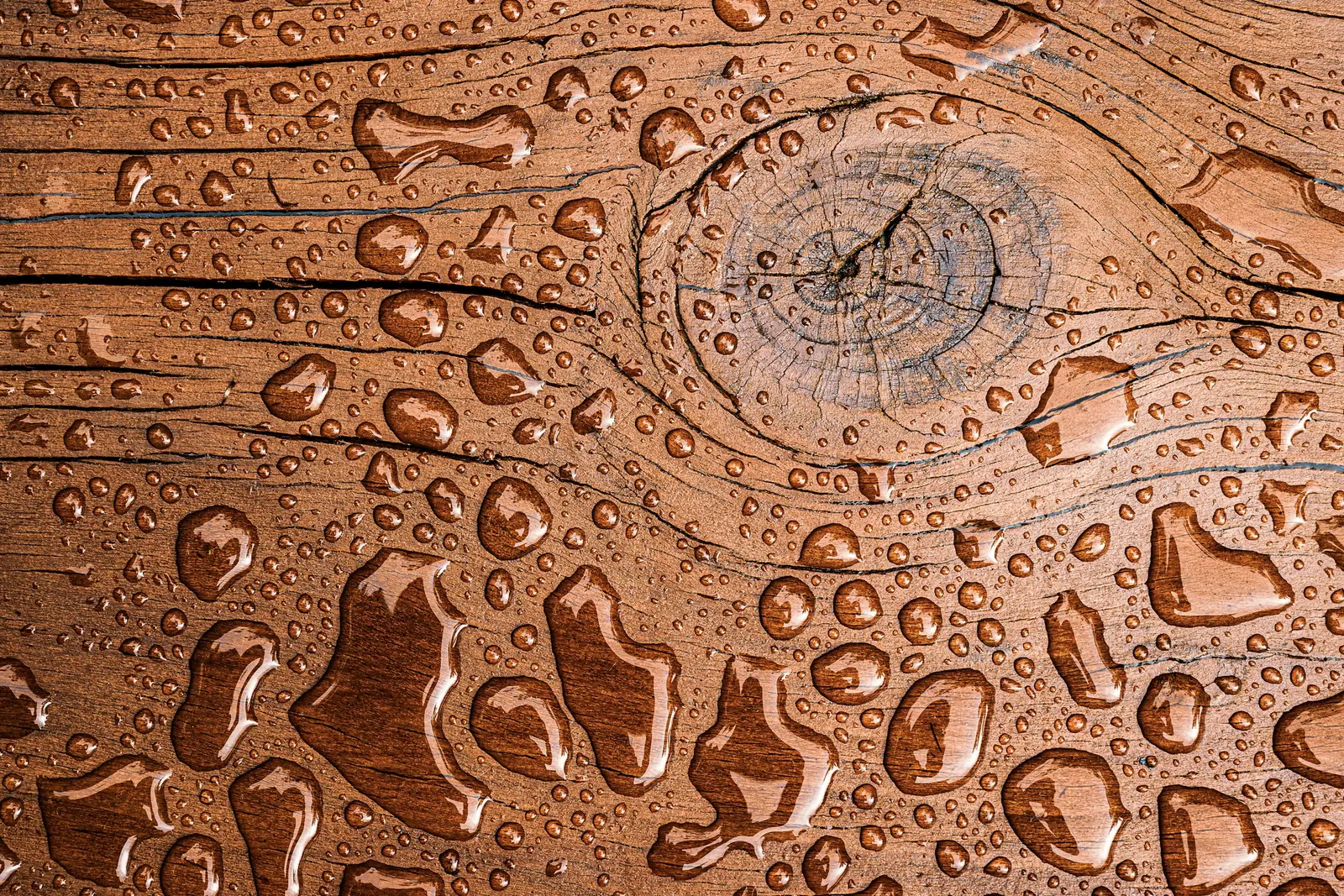
Strong direct sunlight fades and dries wood over time. Use sheer curtains or blinds on south- and west-facing windows, and rotate decorative objects occasionally so the wood ages evenly. During the monsoon, keep rooms ventilated and use a dehumidifier in very humid cities. In dry winters in the north, a bowl of water or a humidifier helps prevent hairline cracks.
“Wood does not like extremes. Steady temperature and humidity will do more for your furniture than any polish.”
Cleaning without damage
Avoid household sprays, silicone polishes and harsh detergents; they build up a sticky film or strip the finish. For a deeper clean, use a cloth barely dampened with water and a drop of mild soap, then dry immediately with a clean cloth.
Re-oiling once or twice a year
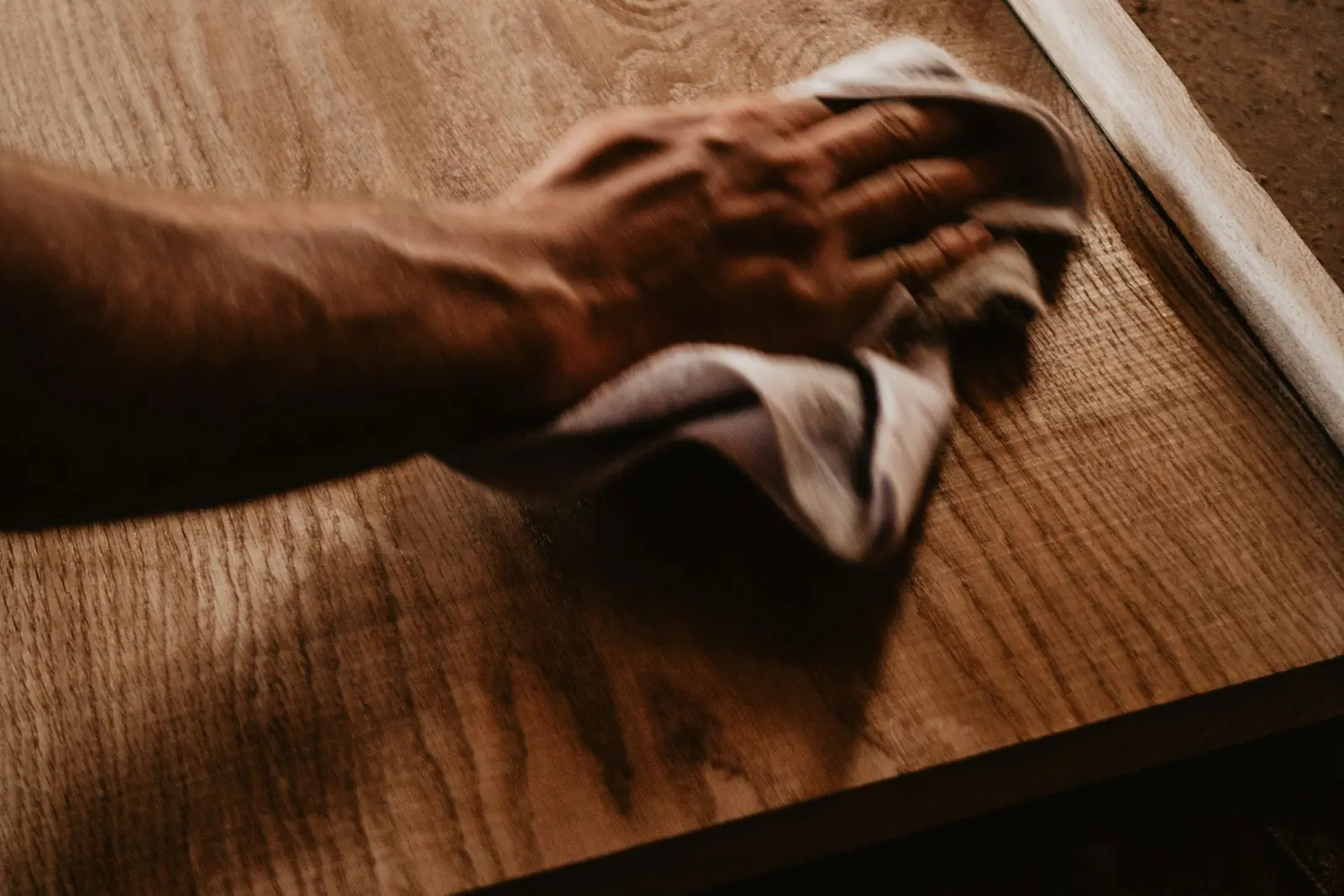
Oil-finished furniture benefits from fresh oil every six to twelve months. Clean the surface, apply a thin coat of furniture oil or hard-wax oil with a lint-free cloth in the direction of the grain, leave for 15 minutes and buff off any excess. Let it cure for 24 hours before use. Our care kit includes everything you need.
Quick fixes for common problems
White water rings
Place a cotton cloth over the ring and press gently with a warm (not hot) iron for a few seconds at a time. The trapped moisture usually evaporates. Re-oil the area afterwards.
Light scratches
On oiled finishes, rub fine 0000 steel wool gently along the grain, then apply a little oil. On lacquered finishes, a matching wax crayon or touch-up pen hides most marks.
Dry, dull patches
These are a sign the wood is thirsty. A fresh coat of oil will bring back depth and colour.
Sticky drawers
Rub a little beeswax or a dry candle along the wooden runners. In humid months, drawers may tighten slightly and will ease again when the weather dries.
Care by finish and season
Not every wooden piece is finished the same way, so check your care card before you begin. Oiled and hard-wax finishes feel natural and are the easiest to repair at home: they simply need fresh oil now and then. Lacquered or polyurethane finishes are more resistant to spills but cannot be re-oiled; clean them with a damp cloth and avoid abrasives. Outdoor teak is different again — you can let it weather to silver, or clean and oil it every spring to keep its honey colour.
It also helps to think seasonally. Before the monsoon, check that furniture stands a few centimetres away from damp walls and that wardrobes are not packed so tightly that air cannot circulate. After the monsoon, open drawers and doors on a dry day to let them breathe, and give tables a fresh coat of oil before the dry winter months arrive.
When to call a professional
Deep gouges, loose joints or structural cracks need a craftsman. Every Velmora piece is covered by a 10-year craftsmanship warranty, and our service team can refinish or repair older pieces too. Treat your furniture well and it will return the favour for decades.